21 in-depth, vendor-neutral guides on how residential rotating proxies work, how to choose and configure them, and how to use them lawfully and responsibly.
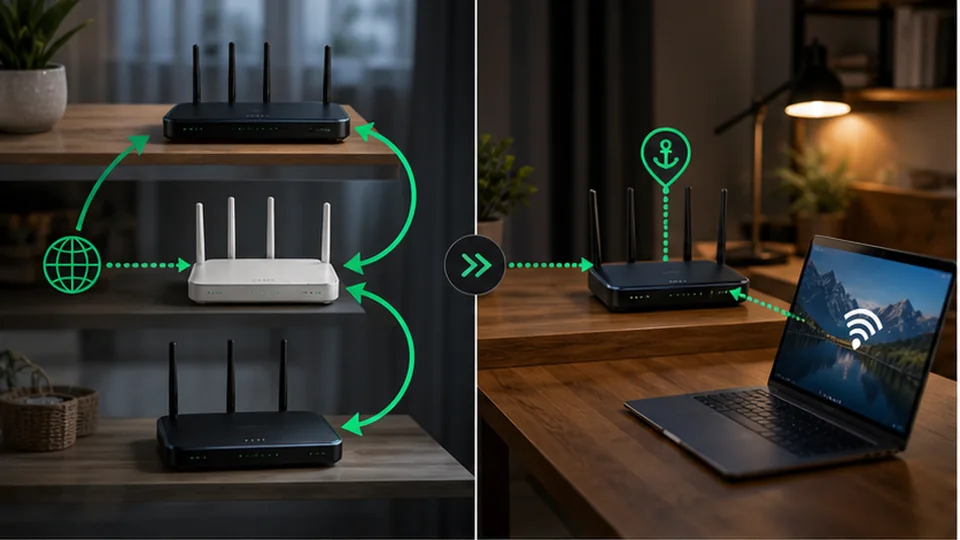
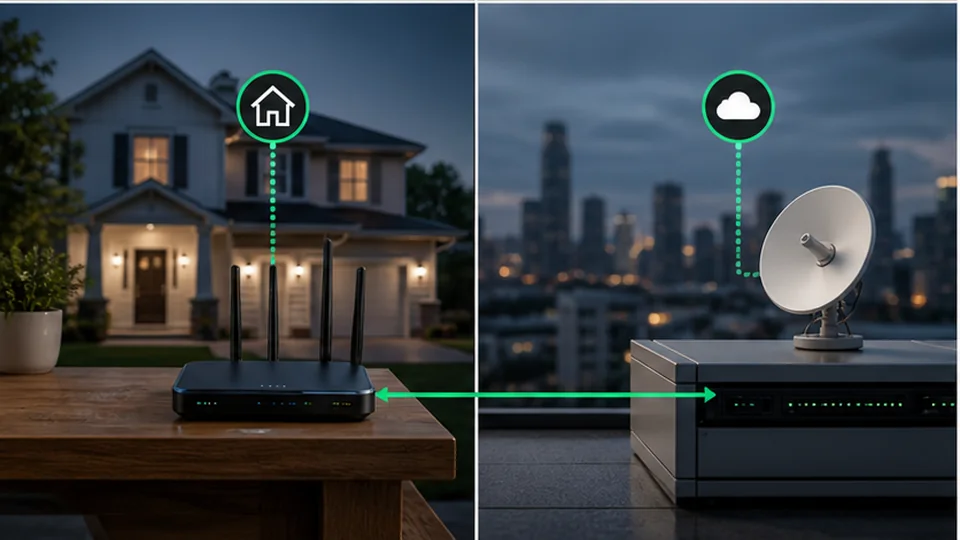
A plain-English explanation of residential rotating proxies: what they are, how the gateway assigns real household IP addresses, when rotation helps, and where the limits and responsibilities lie.
Rotating and sticky sessions solve opposite problems. This guide explains the trade-offs, shows which tasks need continuity, and gives a practical decision framework.
Residential and datacenter proxies differ in origin, cost, and how destinations perceive them. Learn the real trade-offs so you can match the proxy type to the workload.
ISP (static residential) proxies blend residential registration with datacenter stability. Learn how they differ from rotating residential proxies and when each fits.
A technical but readable look at rotation mechanics: gateways, exit selection, per-request vs timed rotation, custom session identifiers, and how to configure each.
A structured framework for evaluating providers on targeting, rotation control, pricing transparency, protocols, ethics, and support — with the questions to ask before you buy.
Residential IPs come from real people. This guide explains consent-based sourcing, the questions to ask a provider, and why cheap-without-disclosure is a red flag.
A safe, reproducible method for evaluating a residential proxy on your own authorized targets — measuring success, latency, and consistency without harming any site.
Understand the three metrics that describe how a residential proxy performs, what drives them, and why provider-reported figures should be verified on your own targets.
Headline per-GB rates rarely reflect real cost. Learn how residential proxy billing works and how to estimate the total cost of a workload before you buy.
How residential proxy geo-targeting works across country, state, city, ZIP, and ASN levels, when finer targeting helps, and the availability trade-offs to plan for.
How to choose sticky session durations that match your task, configure session identifiers, and avoid the common pitfalls of sessions that are too long or too short.
Practical, provider-agnostic setup examples for cURL, Python, and Node.js — with environment-based credentials, timeouts, error handling, and authorized targets throughout.
How to structure lawful, authorized public-web research: respecting terms and law, being considerate, and keeping your workflow defensible and well-documented.
How ad-verification and localization teams use residential proxies to see campaigns and pages as real regional visitors do — and how to run these checks responsibly.
How SEO teams use residential proxies to observe localized search results and public rankings from different regions, and how to keep that monitoring responsible.
A systematic approach to diagnosing residential proxy problems — connection errors, timeouts, authentication failures, and inconsistent results — without guessing.
Security practices for proxy workflows: protecting credentials, securing traffic, isolating access, and reducing the blast radius if something is exposed.
A comprehensive, printable checklist covering every factor to evaluate before buying a residential rotating proxy — from targeting and rotation to ethics, cost, and support.